Get to know N-EWN
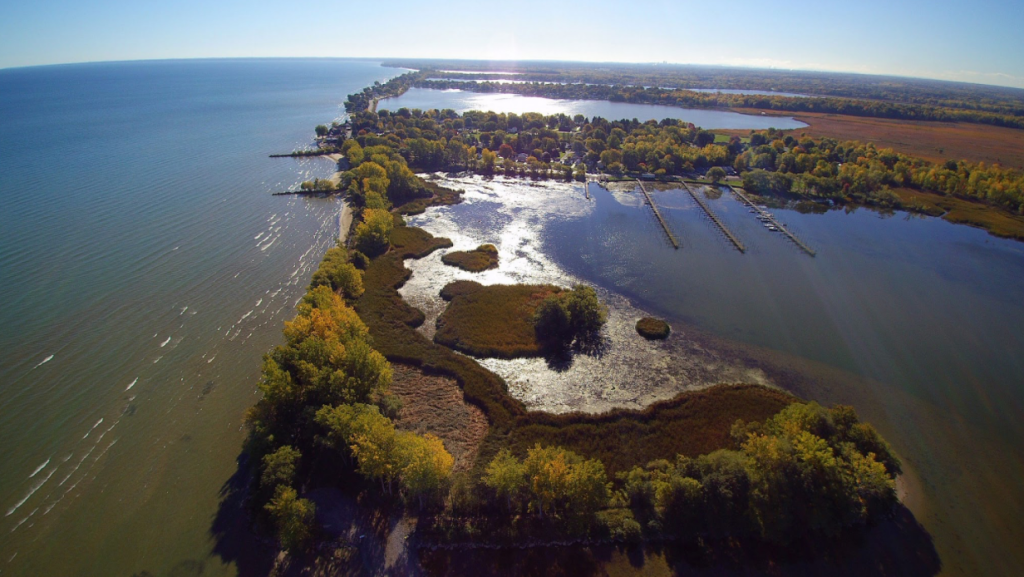
A community of researchers, practitioners, and educators working together to advance the practice of natural infrastructure.

We work across four main branches
In order to help facilitate the widespread adoption of natural infrastructure practices across the United States, we’ve identified four main areas that need additional work:
Developing methods and standards
New tools, techniques and guidance are needed to effectively plan, design, construct and operate natural infrastructure at different scales
Assessing benefits and costs
Natural infrastructure provides communities with a broad array of economic, environmental and social benefits. Improved approaches are needed to evaluate, quantify and forecast these benefits to support planning and decision making
Monitoring performance and outcomes
Technically sound, efficient and applicable methods are needed to track natural infrastructure performance over time, develop the evidence base for future designs, ensure compliance with policy and inform project operations and adaptive management
Integrating people and policy
Providing infrastructure that supports human wellbeing and equitably meets the needs of diverse communities requires integration of human values, attitudes, beliefs, perceptions and policies with modern communication and collaboration practices
Combining a diversity of on-the-ground experience with interdisciplinary teams.
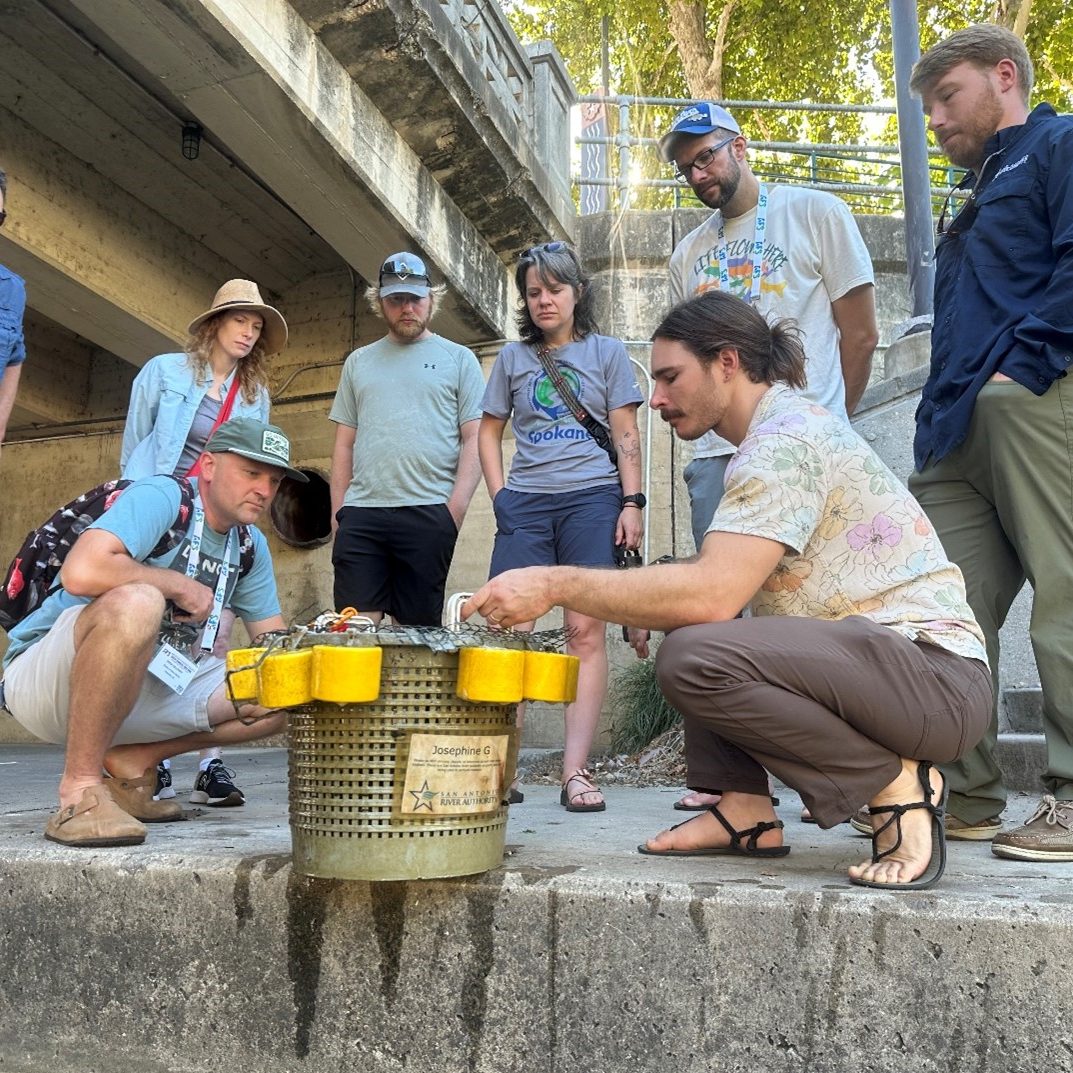
The N-EWN community is made up of over 30 partners from industry, academia and the non-profit sector.
What N-EWN’s been up to:
-

Webinar: EPA Funding for Coastal Ecosystems Climate Resilience
The U.S. Environmental Protection Agency (EPA), as part of its Science to Achieve Results (STAR) program, is seeking research proposals that “1) characterize, quantify, and define indicators or metrics of resilience for various types of coastal ecosystems, especially those ecosystems that have climate mitigation and adaptation and/or blue (ocean-stored) carbon sequestration potential (Lovelock and Duarte,…
-

Webinar: New USACE Rule, New Possibilities for Water Resources Projects
On Tuesday, April 2 at 2:00 p.m., Duke University’s Nicholas Institute for Energy, Environment & Sustainability will host a webinar reviewing the USACE’s new proposed rule that establishes updated procedures for water resources projects. USACE’s Principles, Requirements, and Guidelines dictate how the Army Corps invests in water resources projects. The rule will update agency-specific procedures…
-

Partners featured in Washington Post article on the importance of dunes for climate solutions
Our partners at the University of Florida were quoted in a new article from The Washington Post titled “Dunes aren’t just big piles of sand. Here’s why Earth needs them.” Dunes are sandy landforms that line shores, supporting vegetation and wildlife and providing protection from storm surge. They form when sand is windblown up a…
Catch up with us
Join our mailing list to stay abreast of all things natural infrastructure.