Get to know N-EWN
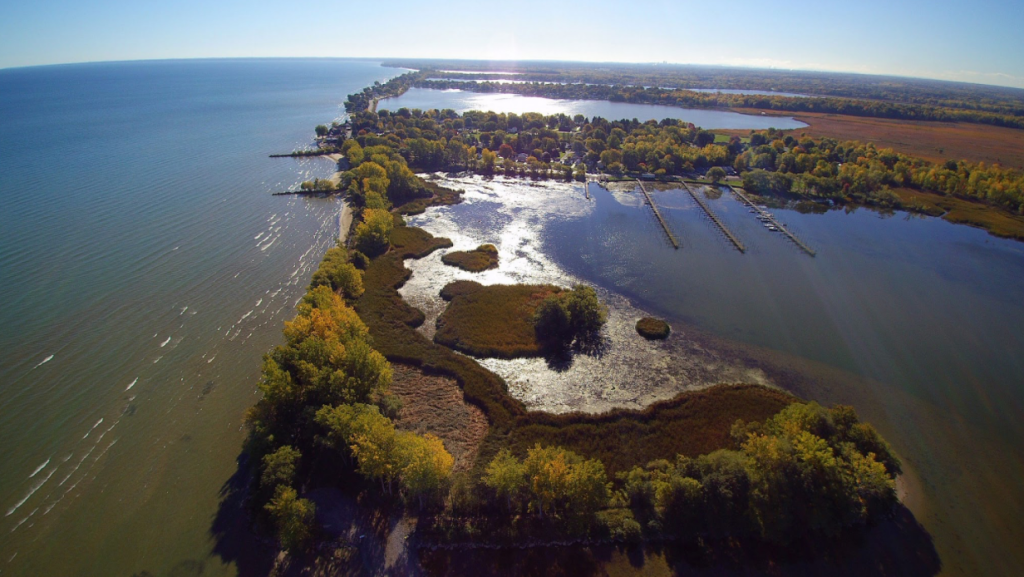
A community of researchers, practitioners, and educators working together to advance the practice of natural infrastructure.

We work across four main branches
In order to help facilitate the widespread adoption of natural infrastructure practices across the United States, we’ve identified four main areas that need additional work:
Developing methods and standards
New tools, techniques and guidance are needed to effectively plan, design, construct and operate natural infrastructure at different scales
Assessing benefits and costs
Natural infrastructure provides communities with a broad array of economic, environmental and social benefits. Improved approaches are needed to evaluate, quantify and forecast these benefits to support planning and decision making
Monitoring performance and outcomes
Technically sound, efficient and applicable methods are needed to track natural infrastructure performance over time, develop the evidence base for future designs, ensure compliance with policy and inform project operations and adaptive management
Integrating people and policy
Providing infrastructure that supports human wellbeing and equitably meets the needs of diverse communities requires integration of human values, attitudes, beliefs, perceptions and policies with modern communication and collaboration practices
Combining a diversity of on-the-ground experience with interdisciplinary teams.
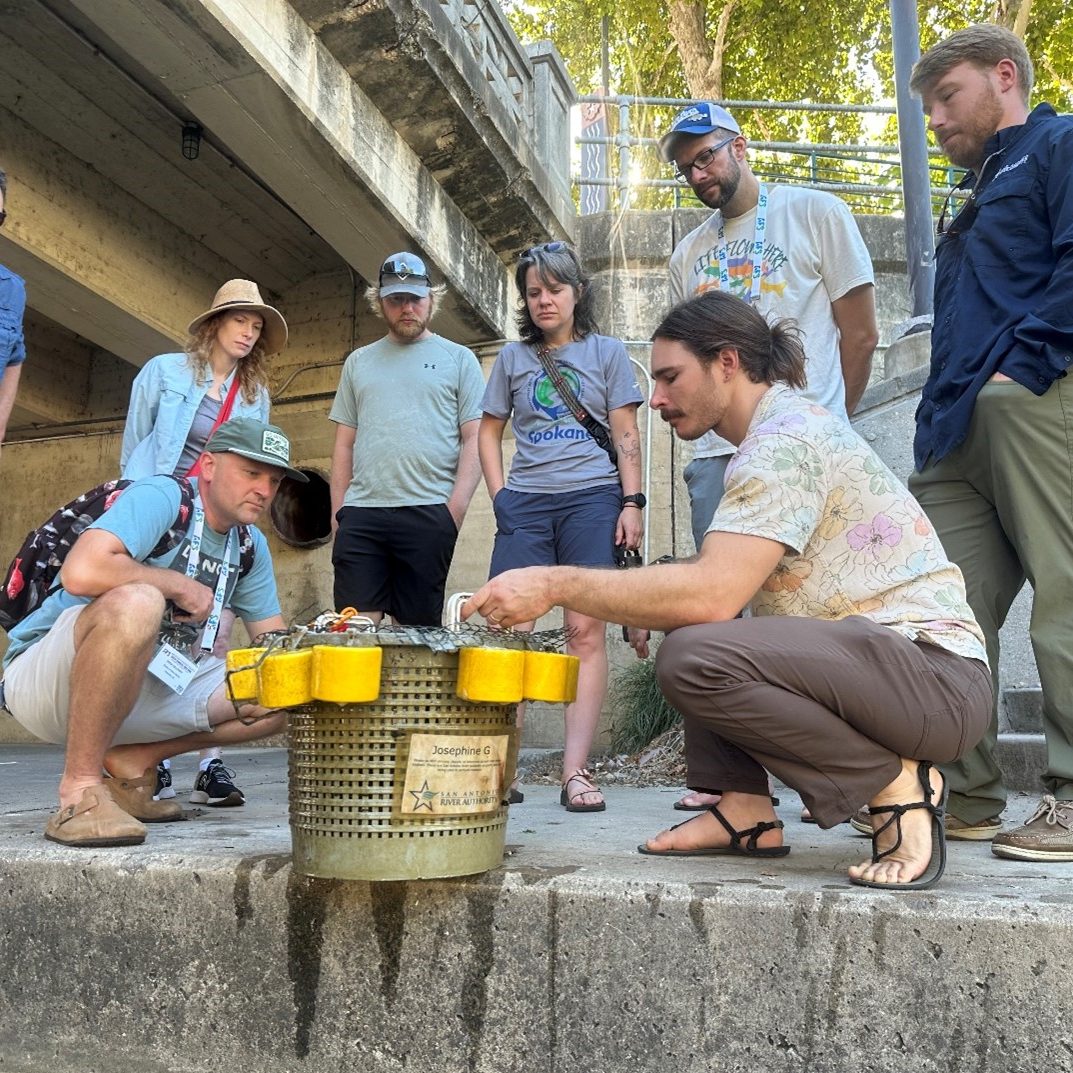
The N-EWN community is made up of over 30 partners from industry, academia and the non-profit sector.
What N-EWN’s been up to:
-

Identifying Pathways to Match Dredged Material with Drowning Marshes
Originally published here by the NOAA National Centers for Coastal and Ocean Science (NCCOS). For many coastal communities, marshes help reduce coastal flooding by absorbing wave energy and water, protecting inland infrastructure. Coastal marshes build up elevation by trapping sediment that is brought in by ocean tides. As sea levels continue to rise, intertidal marshes…
-

Partners begin beta test of GIS tool for the Beneficial Use of Dredged Material
Every year, the U.S. Army Corps of Engineers (USACE) Galveston, TX District dredges 30 to 40 million cubic yards of sediment from federally maintained navigation channels in Texas. USACE has teamed up with coastal design firm Anchor QEA, conservation leader Ducks Unlimited, and the Texas Department of Transportation to create a Beneficial Use of Dredged…
-

Todd Bridges to discuss resilience and sustainability at Dalton State College
Join Keep Dalton-Whitfield Beautiful (KDWB) on Thursday, September 12 for a talk by Dr. Todd Bridges, Professor of Practice at UGA’s Institute for Resilient Infrastructure Systems and founder of USACE’s Engineering With Nature® (EWN®) program. The talk, titled “Building Resilience for the People and the Planet,” will discuss how innovative nature-based solutions can directly benefit communities. In response to…
Catch up with us
Join our mailing list to stay abreast of all things natural infrastructure.