Get to know N-EWN
A community of researchers, practitioners, and educators working together to advance the practice of natural infrastructure.

We work across four main branches
In order to help facilitate the widespread adoption of natural infrastructure practices across the United States, we’ve identified four main areas that need additional work:
Developing methods and standards
New tools, techniques and guidance are needed to effectively plan, design, construct and operate natural infrastructure at different scales
Assessing benefits and costs
Natural infrastructure provides communities with a broad array of economic, environmental and social benefits. Improved approaches are needed to evaluate, quantify and forecast these benefits to support planning and decision making
Monitoring performance and outcomes
Technically sound, efficient and applicable methods are needed to track natural infrastructure performance over time, develop the evidence base for future designs, ensure compliance with policy and inform project operations and adaptive management
Integrating people and policy
Providing infrastructure that supports human wellbeing and equitably meets the needs of diverse communities requires integration of human values, attitudes, beliefs, perceptions and policies with modern communication and collaboration practices
Combining a diversity of on-the-ground experience with interdisciplinary teams.
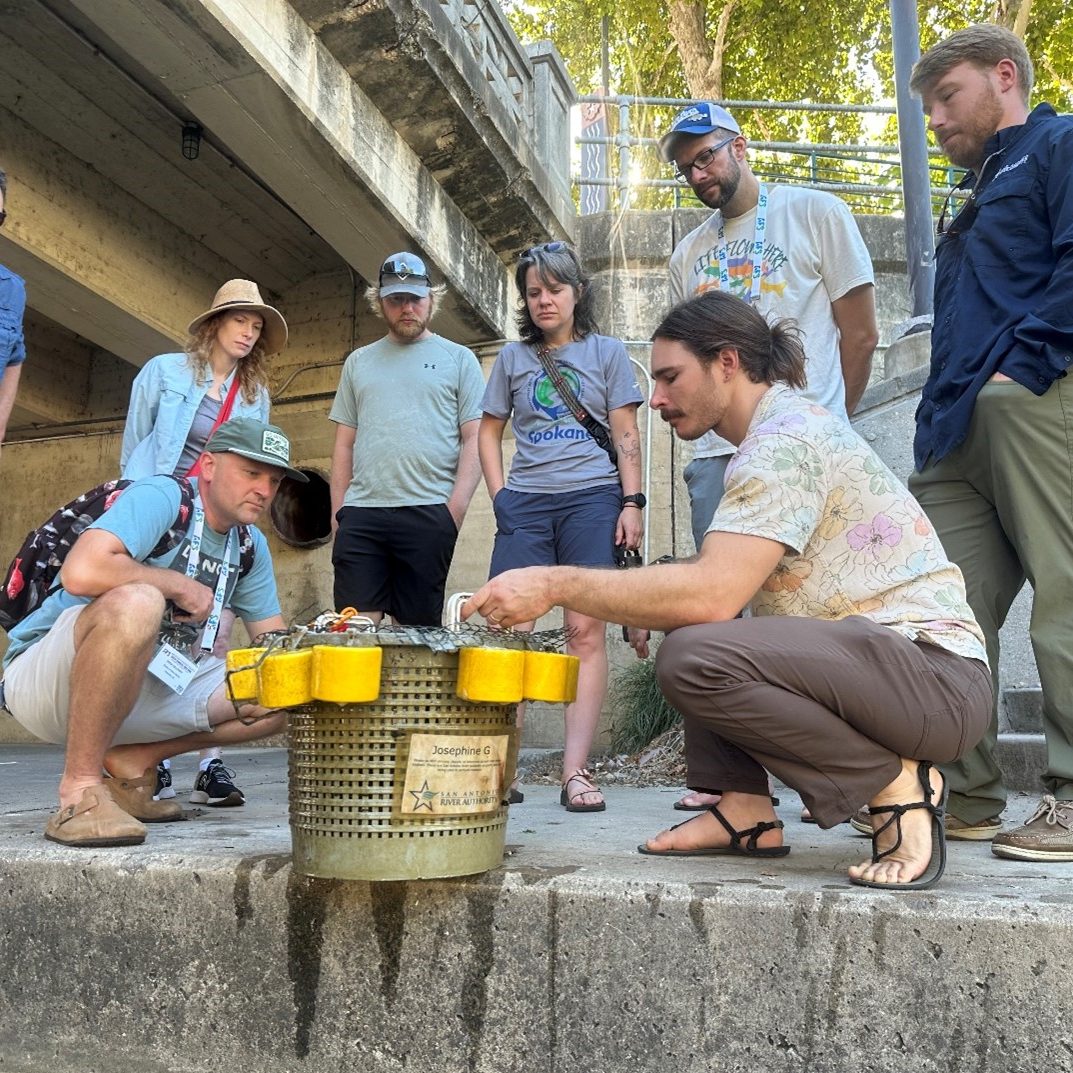
The N-EWN community is made up of over 30 partners from industry, academia and the non-profit sector.
What N-EWN’s been up to:
-

Duke University hosts panel on sustainable infrastructure
At a recent symposium hosted by Duke University, experts from across academic, governance and NGO sectors exchanged ideas about accelerating sustainable infrastructure development. “I’d like to think that we’re entering a renaissance period in civil engineering with the opportunities that are before us,” said Todd Bridges, Professor of Practice in Resilient and Sustainable Systems at…
-

Partner Profile: Center for Coastal Climate Resilience, UC Santa Cruz
Building coastal resilience by engaging partners, fostering leaders, and addressing the challenges from climate change in California and beyond with a strategic focus in 6 key areas: The Center supports projects that bring together researchers and practitioners to build innovative climate solutions. Project leads come from across campus in all divisions, including Arts, Humanities, Social…
-

Happy Earth Day! Introducing Nature At Work
It’s Earth Day, so we’d like to talk about some of our favorite environmental engineers: Mangroves! The term mangrove actually refers to over 70 species of trees and shrubs that share common characteristics: namely, the ability to live partially submerged in salt water. Mangroves live in tropical and sub-tropical intertidal zones around the world, lining…
Catch up with us
Join our mailing list to stay abreast of all things natural infrastructure.