Get to know N-EWN
A community of researchers, practitioners, and educators working together to advance the practice of natural infrastructure.

We work across four main branches
In order to help facilitate the widespread adoption of natural infrastructure practices across the United States, we’ve identified four main areas that need additional work:
Developing methods and standards
New tools, techniques and guidance are needed to effectively plan, design, construct and operate natural infrastructure at different scales
Assessing benefits and costs
Natural infrastructure provides communities with a broad array of economic, environmental and social benefits. Improved approaches are needed to evaluate, quantify and forecast these benefits to support planning and decision making
Monitoring performance and outcomes
Technically sound, efficient and applicable methods are needed to track natural infrastructure performance over time, develop the evidence base for future designs, ensure compliance with policy and inform project operations and adaptive management
Integrating people and policy
Providing infrastructure that supports human wellbeing and equitably meets the needs of diverse communities requires integration of human values, attitudes, beliefs, perceptions and policies with modern communication and collaboration practices
Combining a diversity of on-the-ground experience with interdisciplinary teams.
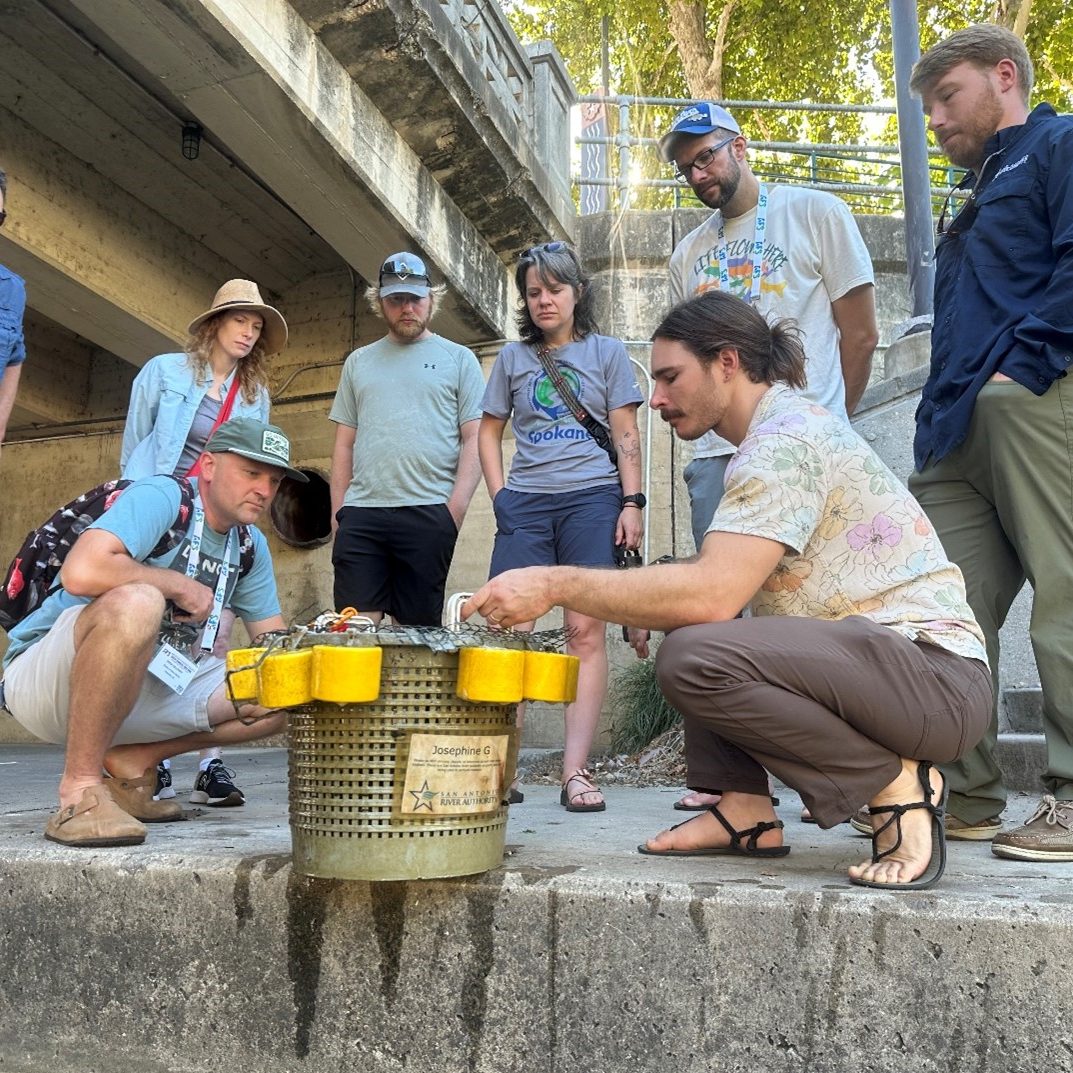
The N-EWN community is made up of over 30 partners from industry, academia and the non-profit sector.
What N-EWN’s been up to:
-

Nature at Work: Salt Marshes and Sparrows
Salt marshes are coastal wetlands that are flooded and drained by tides. These ecosystems occur along temperate shorelines worldwide. Tidal inundation occurs every twelve hours, flooding the habitat with higher tides around the new and full moons every two weeks. These intertidal habitats are an essential space for healthy wildlife communities, including some species that…
-

New publication addresses environmental justice gaps in Texas water resources
Matthew Berg, CEO and Principal Scientist at our partner organization Simfero, contributed to a recent paper outlining opportunities for nature-based solutions, equity, and broad sustainability considerations in managing water resources in Texas. “Addressing Challenges to Ensuring Justice and Sustainability in Policy and Infrastructure for Texas Water Resources in the 21st Century” was published earlier this…
-

Nature at Work: Ecosystem Engineers (Part 2): Aquatic Architects
Coral Reefs: This Ecosystem – It’s Alive! Did you know corals are actually tiny animals, and these giant reef structures are made up of millions of exoskeletons, with mouths and stomachs? Now you do. Corals use calcium and carbonate ions from seawater to build these exoskeletons, building reefs that can go on for miles (such…
Catch up with us
Join our mailing list to stay abreast of all things natural infrastructure.