Get to know N-EWN
A community of researchers, practitioners, and educators working together to advance the practice of natural infrastructure.

We work across four main branches
In order to help facilitate the widespread adoption of natural infrastructure practices across the United States, we’ve identified four main areas that need additional work:
Developing methods and standards
New tools, techniques and guidance are needed to effectively plan, design, construct and operate natural infrastructure at different scales
Assessing benefits and costs
Natural infrastructure provides communities with a broad array of economic, environmental and social benefits. Improved approaches are needed to evaluate, quantify and forecast these benefits to support planning and decision making
Monitoring performance and outcomes
Technically sound, efficient and applicable methods are needed to track natural infrastructure performance over time, develop the evidence base for future designs, ensure compliance with policy and inform project operations and adaptive management
Integrating people and policy
Providing infrastructure that supports human wellbeing and equitably meets the needs of diverse communities requires integration of human values, attitudes, beliefs, perceptions and policies with modern communication and collaboration practices
Combining a diversity of on-the-ground experience with interdisciplinary teams.
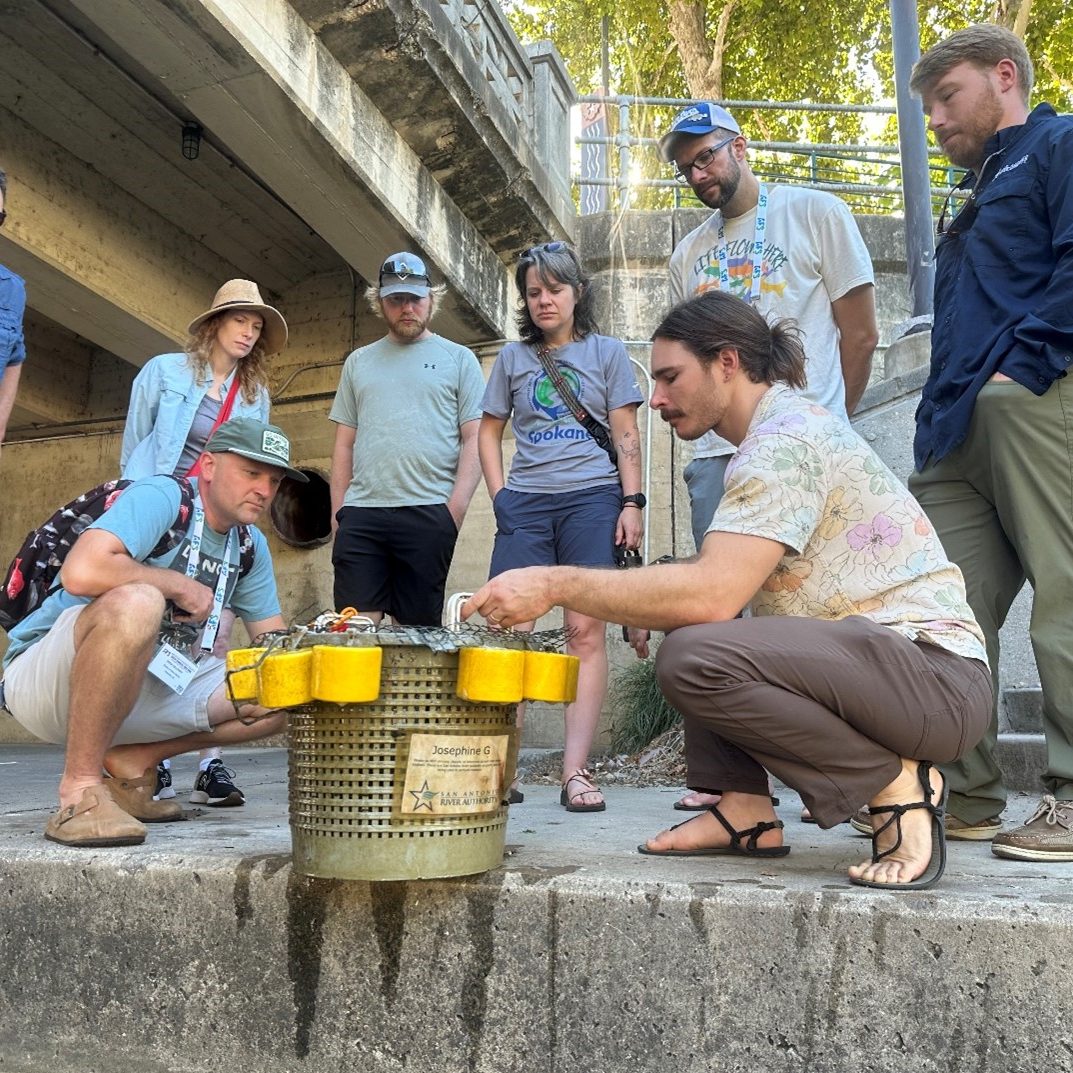
The N-EWN community is made up of over 30 partners from industry, academia and the non-profit sector.
What N-EWN’s been up to:
-

Interdisciplinary team introduces Engineering With Nature® Practice Guides series
Our N-EWN partners across industry, governmental, academic and nonprofit sectors talk a lot about Engineering With Nature®, but it’s not always clear what that means or how to incorporate EWN principles within engineering projects. This team from an interdisciplinary crew of our partners is working to address that with a new series of practice guides…
-

EDF advocates for wetland protections
Wetlands are some of Earth’s most valuable ecosystems that offer a range of benefits, such as cleaning our water, providing critical habitat and supporting recreational industries. Importantly, wetlands also serve as natural infrastructure and protect communities from flooding, which is the costliest natural hazard in the United States. Despite these benefits, our nation’s wetlands are…
-

EDF: Navigating federal flood planning
Environmental Defense Fund (EDF) just released a new step-by-step guide to help communities and advocates navigate federal flood planning. Flooding, the nation’s costliest disaster, impacts local communities on the coasts and in cities, towns and inland areas alike, and more frequent and severe weather events are prompting communities and local entities to seek lasting solutions.…
Catch up with us
Join our mailing list to stay abreast of all things natural infrastructure.