Defining Natural Infrastructure
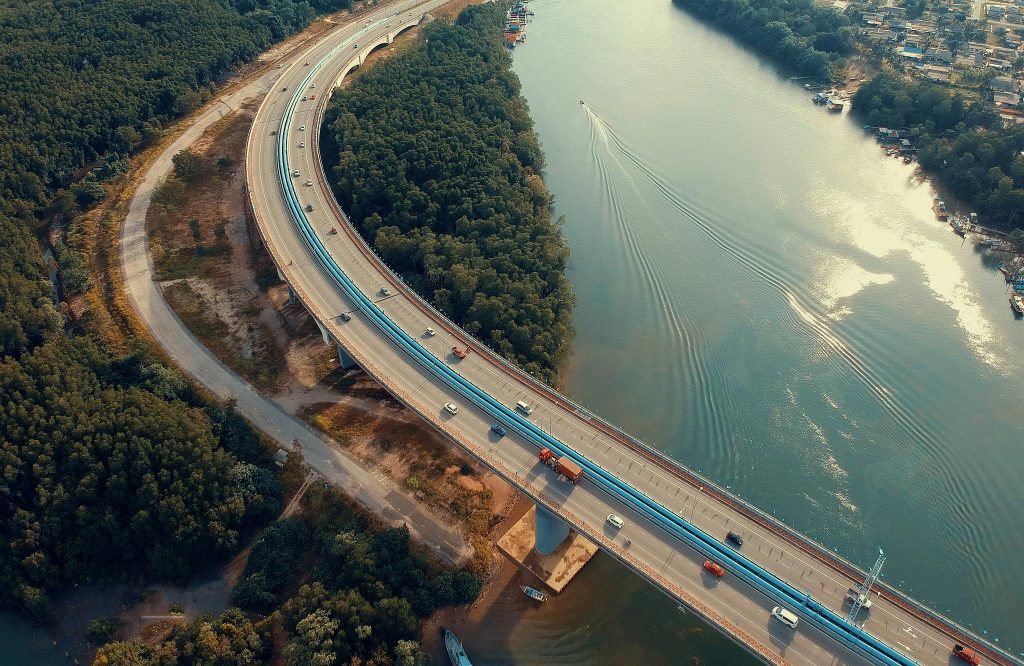
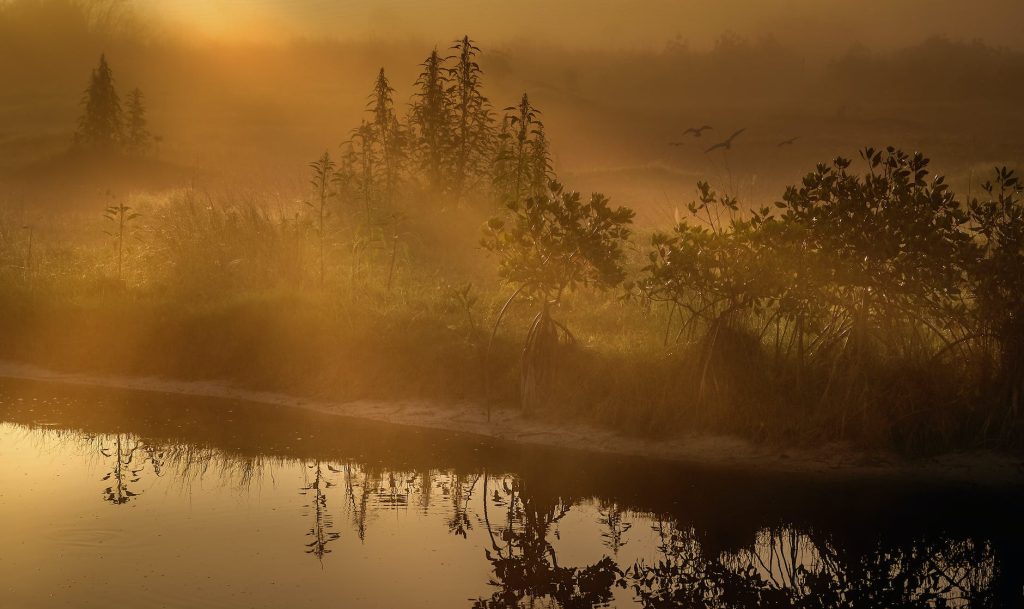
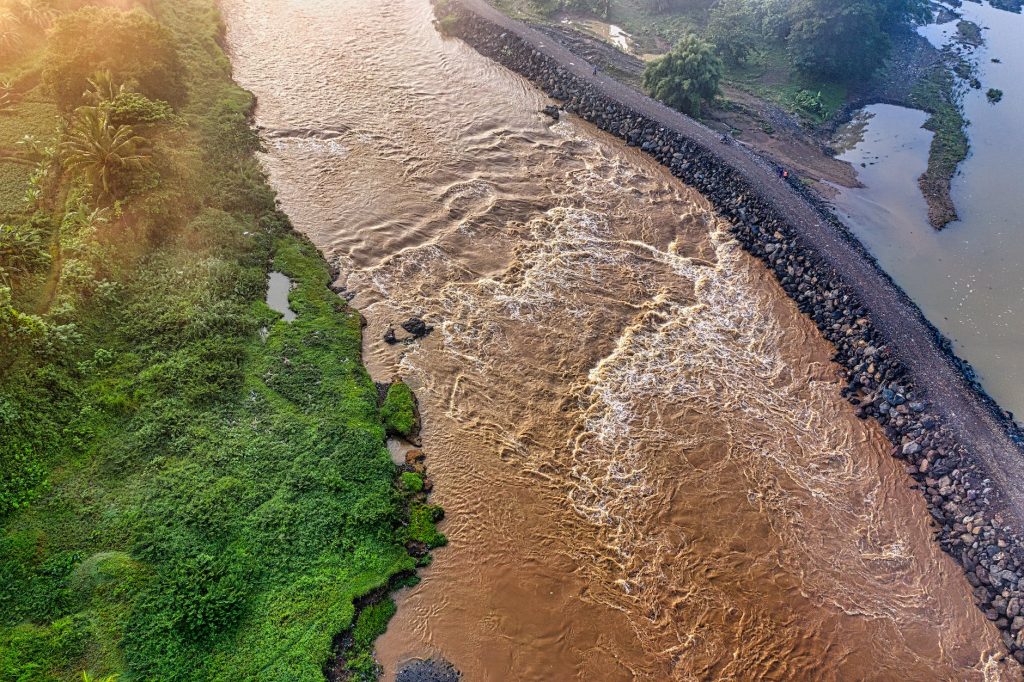
Natural infrastructure (NI) uses natural processes and ecosystem services to support engineering objectives. This innovative approach to infrastructure planning has the potential to provide co-benefits to communities, ecosystems, and economies, and N-EWN partners are leading the charge on implementing NI to achieve these benefits.
Selected Publications:
Life cycle management of natural infrastructure: assessment of state of practice and current tools, Kurth et. al. 2024, Frontiers in Built Environment.
Jointly advancing infrastructure and biodiversity conservation, McKay et. al. 2023. Nature Reviews Earth & Environment.
Improving Natural Infrastructure Practice
Nature-based solutions (NbS) are a relatively new field of study and applications. N-EWN researchers are dedicated to figuring out the best way to implement NbS in engineering, environmental, and community settings.
Selected Publications:
Nature-based solutions as buffers against coastal compound flooding: Exploring potential framework for process-based modeling of hazard mitigation, Radfar et. al. 2024, Science of the Total Environment.
Evaluating thin-layer sediment placement as a tool for enhancing tidal marsh resilience: A coordinated experiment across eight US National Estuarine Research Reserves, Raposa et. al. 2023, Estuaries and Coasts.
Integrating People and Policy
We’re better together. N-EWN partners are working to make sure everyone has a seat at the table when we talk about nature-based solutions.
Infrastructure managers bear a responsibility for ensuring all members of a community are being fairly serves by infrastructure choices. To support sustainable solutions, managers need a clear and concise set of guidelines for incorporating social equity into project decision making.
Selected Publications:
Human well-being and natural infrastructure: assessing opportunities for equitable project planning and implementation, Kalaidijan et. al. 2024, Frontiers in Ecology and Evolution.
Operationalizing equity for integrated water resources management, Seigerman et. al. 2022, Journal of the American Water Resources Association.
Bringing People Together
Nature-based Solutions Policy & Practice Forums
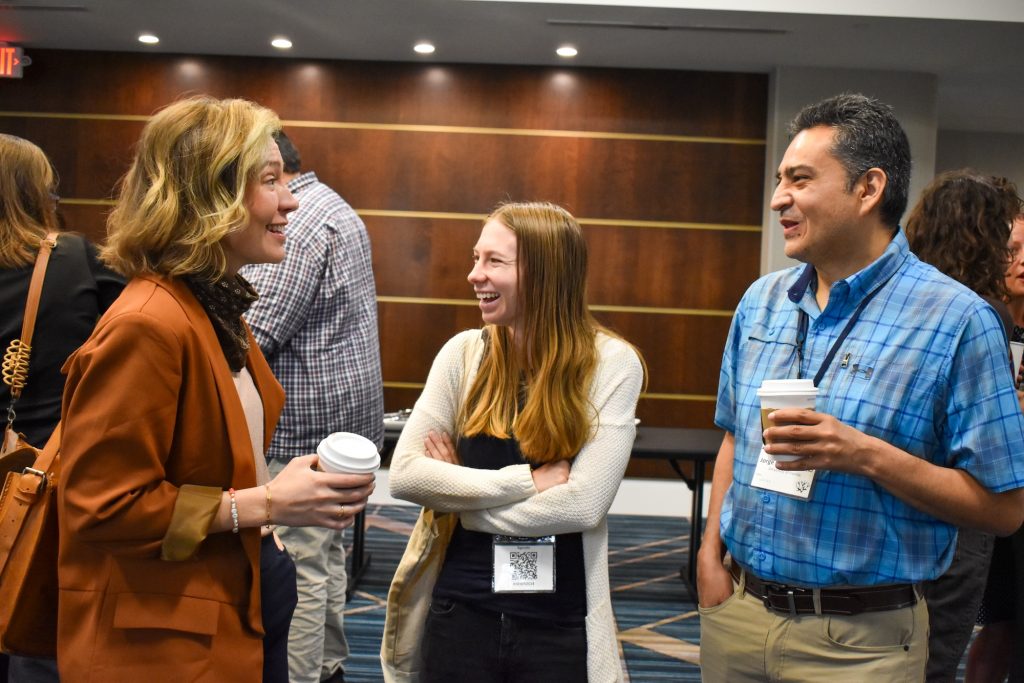
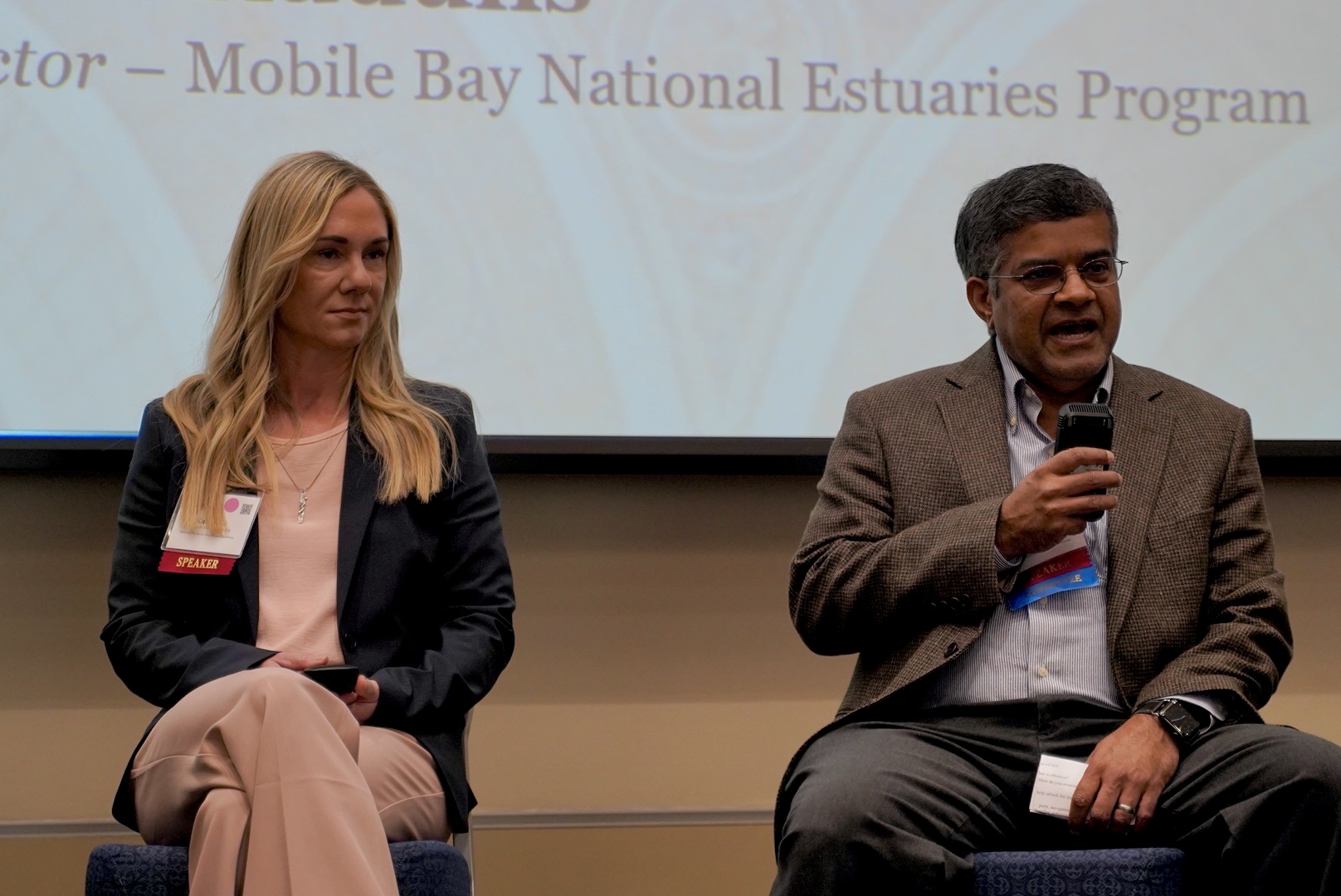
These annual in-person forums have been co-hosted with partners across the country, aiming to identify the policy and practice needs of the growing field of nature-based solutions. More information about each year’s forum below:
Knowledge Series
This monthly, public-facing webinar series features topics from across the field of engineering with nature knowledge. Continuing Education Credits (1-hr) are available to all attendees who join live. More information & registration link below:
More N-EWN Events



Special Topics
-
June 2024 Knowledge Series: Design for Biodiversity: Nature-Inclusive Applications in Urban Waterfronts & Coastal Infrastructure
Dr. Ido Sella, Chief Executive Officer and Co-Founder at ECOncrete Tech When it comes to planning and constructing coastal and marine infrastructure, promoting nature-inclusive design has multiple financial, structural and ecological benefits. Through project casestudies, we’ll explore different applications of science-driven, nature-inclusive construction and gain a deeper understanding of ecosystem services in urban and working waterfronts, as…
-

Finding homes for future fowl: Ducks Unlimited student heads into the lowcountry to assess waterfowl habitat
Our partners at the University of Georgia Institute for Resilient Infrastructure Systems and conservation nonprofit Ducks Unlimited have been collaborating for years, but one of their biggest projects is the Natural Infrastructure Graduate Fellowship: Master’s students in a variety of fields are funded by Ducks Unlimited to work towards a better future for wetlands. One…
-

December & January Partner Podcast Roundup: Green Solutions at Multiple Scales
Resilient Futures Podcast University of Georgia Institute for Resilient Infrastructure Systems How big does an urban garden need to be to support pollinators and other important insects? What kinds of plants lead to the most biodiverse space? How should homeowners manage their gardens to support the natural world? Get the full garden scoop with PhD…
-

Nature at Work: Salt Marshes and Sparrows
Salt marshes are coastal wetlands that are flooded and drained by tides. These ecosystems occur along temperate shorelines worldwide. Tidal inundation occurs every twelve hours, flooding the habitat with higher tides around the new and full moons every two weeks. These intertidal habitats are an essential space for healthy wildlife communities, including some species that…
-

Nature at Work: Ecosystem Engineers (Part 2): Aquatic Architects
Coral Reefs: This Ecosystem – It’s Alive! Did you know corals are actually tiny animals, and these giant reef structures are made up of millions of exoskeletons, with mouths and stomachs? Now you do. Corals use calcium and carbonate ions from seawater to build these exoskeletons, building reefs that can go on for miles (such…