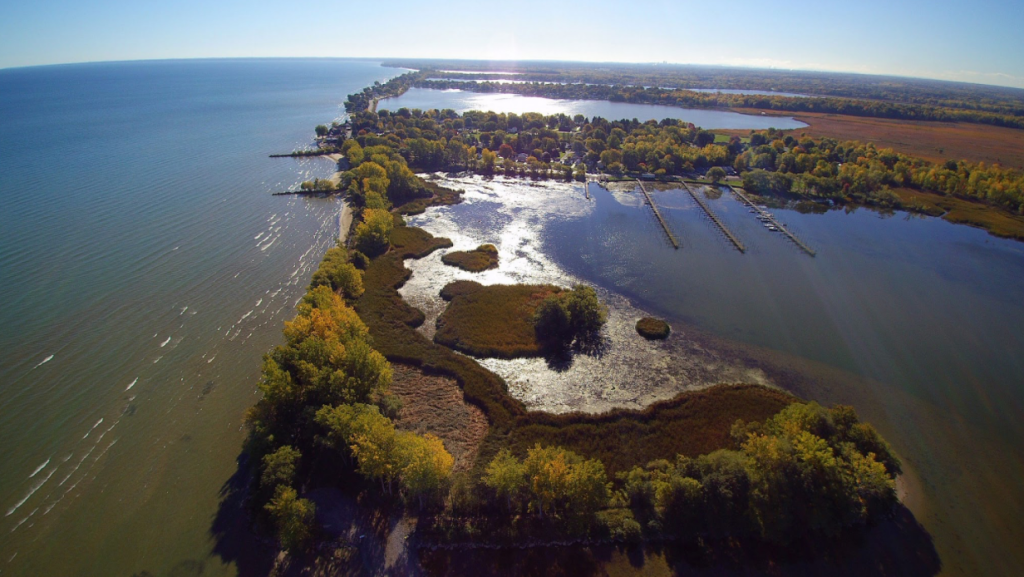
Get to know N-EWN
A community of researchers, practitioners, and educators working together to advance the practice of natural infrastructure.

We work across four main branches
In order to help facilitate the widespread adoption of natural infrastructure practices across the United States, we’ve identified four main areas that need additional work:
Developing methods and standards
New tools, techniques and guidance are needed to effectively plan, design, construct and operate natural infrastructure at different scales
Assessing benefits and costs
Natural infrastructure provides communities with a broad array of economic, environmental and social benefits. Improved approaches are needed to evaluate, quantify and forecast these benefits to support planning and decision making
Monitoring performance and outcomes
Technically sound, efficient and applicable methods are needed to track natural infrastructure performance over time, develop the evidence base for future designs, ensure compliance with policy and inform project operations and adaptive management
Integrating people and policy
Providing infrastructure that supports human wellbeing and equitably meets the needs of diverse communities requires integration of human values, attitudes, beliefs, perceptions and policies with modern communication and collaboration practices
Combining a diversity of on-the-ground experience with interdisciplinary teams.
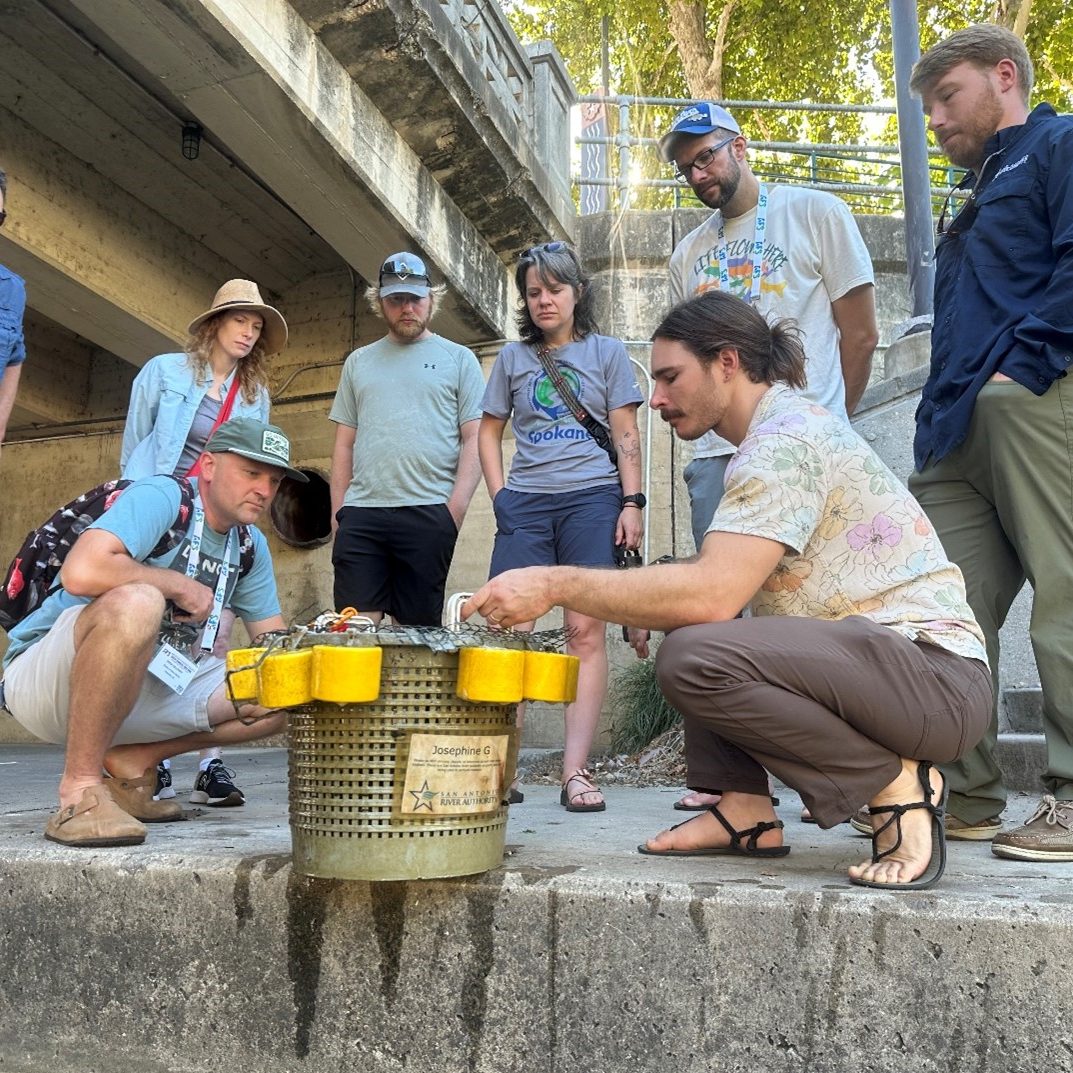
The N-EWN community is made up of over 30 partners from industry, academia and the non-profit sector.
What N-EWN’s been up to:
-

November 2025 Knowledge Series: Beyond the Dredge: Boosting Remediation Impact with Nature-based Solutions – The Money Case
Josef Rieger, Anchor QEA Located on the Southern Branch of the Elizabeth River in Chesapeake, Virginia, Money Point was once among the most contaminated sites on the Chesapeake Bay. Decades of industrial activity, including wood treatment operations, left the riverbed coated with toxic creosote. By 2006, the river bottom was biologically dead, and the few…
-
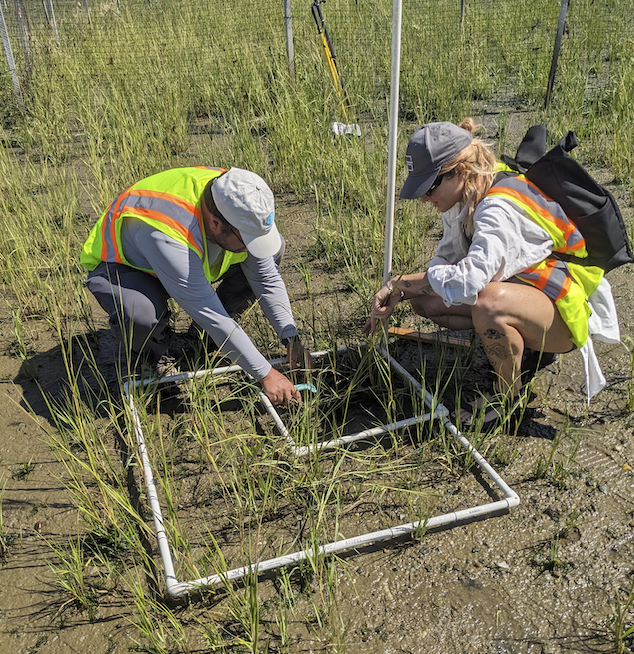
Living Shoreline Research, Monitoring and Assessment
The Science and Resilience Institute at Jamaica Bay conducts research, monitoring and assessment at living shorelines around New York City to inform adaptive management and best practices. This involves close coordination with partners like the Jamaica Bay Rockaway Parks Conservancy and National Park Service at the West Pond Living Shoreline in the Jamaica Bay Wildlife…
-
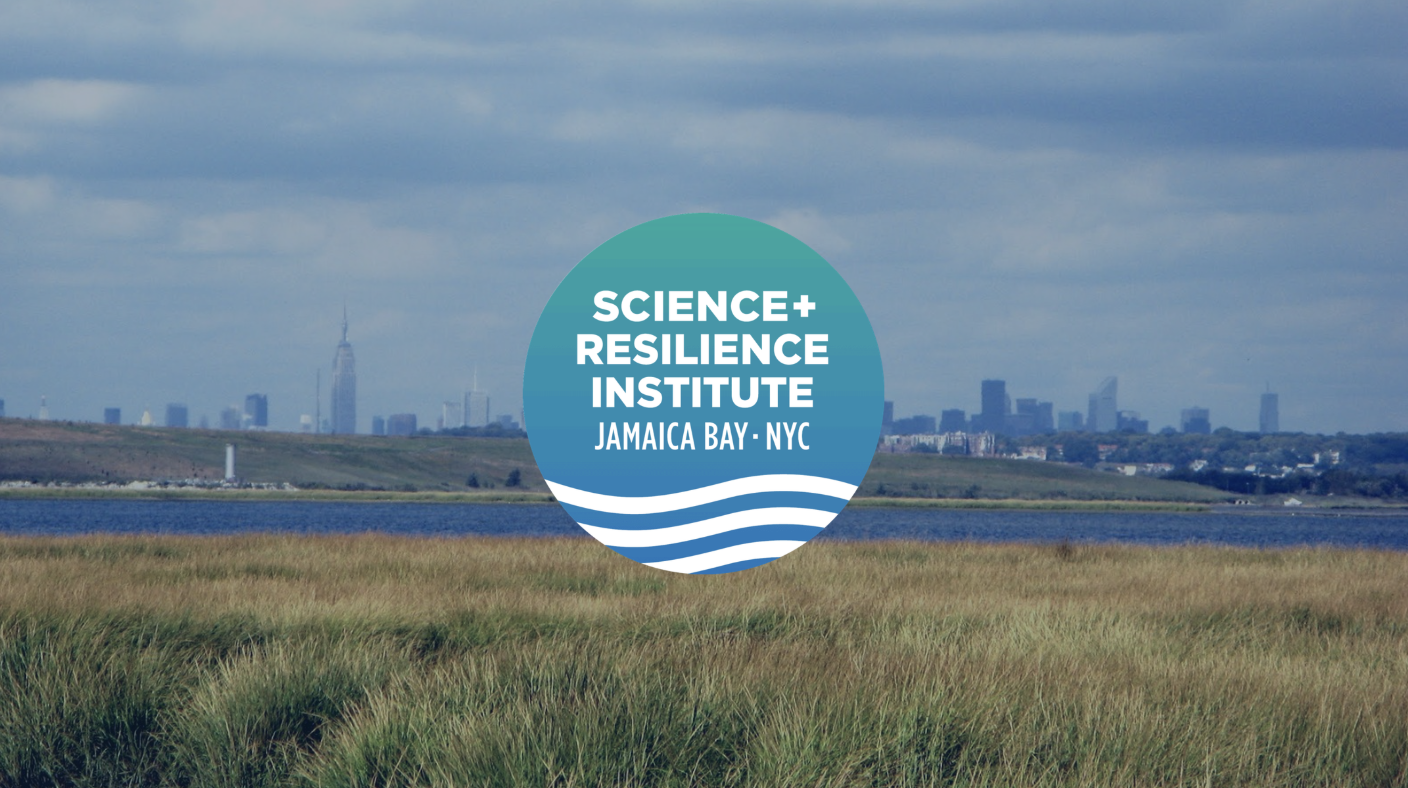
Partner Takeover: The Science and Resilience Institute at Jamaica Bay
The Science and Resilience Institute at Jamaica Bay (SRIJB) is excited to introduce ourselves and our work through this social media takeover with our partners at N-EWN.The SRIJB supports inclusive and equitable planning and decision-making for climate adaptation and environmental stewardship in and around Jamaica Bay and the rest of New York City through research,…
Catch up with us
Join our mailing list to stay abreast of all things natural infrastructure.