Get to know N-EWN
A community of researchers, practitioners, and educators working together to advance the practice of natural infrastructure.

We work across four main branches
In order to help facilitate the widespread adoption of natural infrastructure practices across the United States, we’ve identified four main areas that need additional work:
Developing methods and standards
New tools, techniques and guidance are needed to effectively plan, design, construct and operate natural infrastructure at different scales
Assessing benefits and costs
Natural infrastructure provides communities with a broad array of economic, environmental and social benefits. Improved approaches are needed to evaluate, quantify and forecast these benefits to support planning and decision making
Monitoring performance and outcomes
Technically sound, efficient and applicable methods are needed to track natural infrastructure performance over time, develop the evidence base for future designs, ensure compliance with policy and inform project operations and adaptive management
Integrating people and policy
Providing infrastructure that supports human wellbeing and equitably meets the needs of diverse communities requires integration of human values, attitudes, beliefs, perceptions and policies with modern communication and collaboration practices
Combining a diversity of on-the-ground experience with interdisciplinary teams.
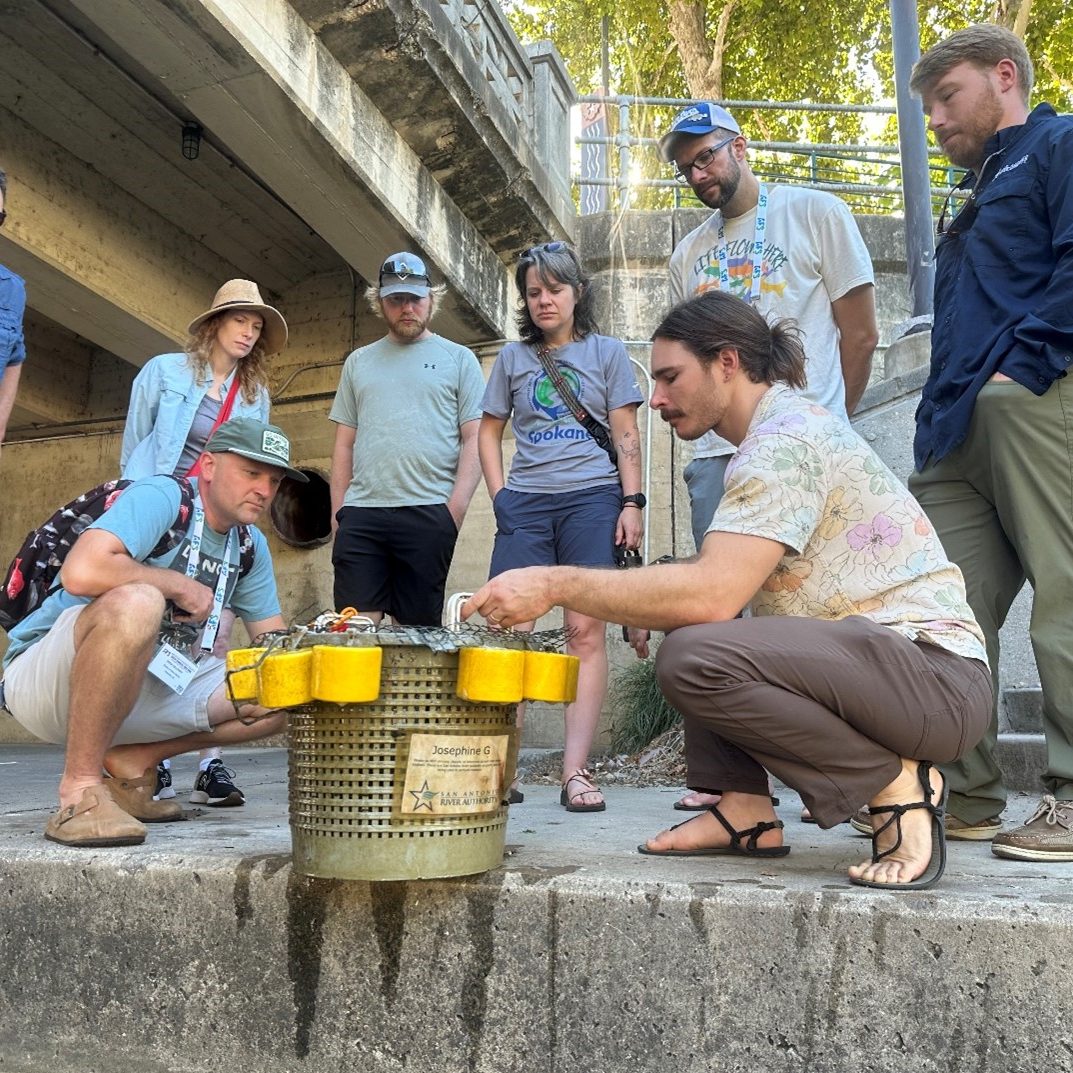
The N-EWN community is made up of over 30 partners from industry, academia and the non-profit sector.
What N-EWN’s been up to:
-

N-EWN Team Relocates a Live Dune Segment for Laboratory Investigation
Originally published here by Engineering With Nature®, U.S. Army Corps of Engineers Engineer Research and Development Center. Written by Courtney Chambers. The EWN research team from the Engineer Research and Development Center (ERDC), together with partners from the Network for Engineering With Nature (N-EWN), in coordination with local agencies, has undertaken a groundbreaking study to investigate the…
-

Duke Experts Offer Resources for Activating Nature
Originally published here by the Duke University Nicholas Institute for Energy, Environment & Sustainability. For two decades, experts at Duke University’s Nicholas Institute for Energy, Environment & Sustainability have undertaken actionable research and developed purposeful partnerships aimed at integrating nature’s benefits into decision-making. [Launched on January 14], the Nature Activation Hub elevates and organizes this work—bringing together…
-

December & January Partner Podcast Roundup: Green Solutions at Multiple Scales
Resilient Futures Podcast University of Georgia Institute for Resilient Infrastructure Systems How big does an urban garden need to be to support pollinators and other important insects? What kinds of plants lead to the most biodiverse space? How should homeowners manage their gardens to support the natural world? Get the full garden scoop with PhD…
Catch up with us
Join our mailing list to stay abreast of all things natural infrastructure.